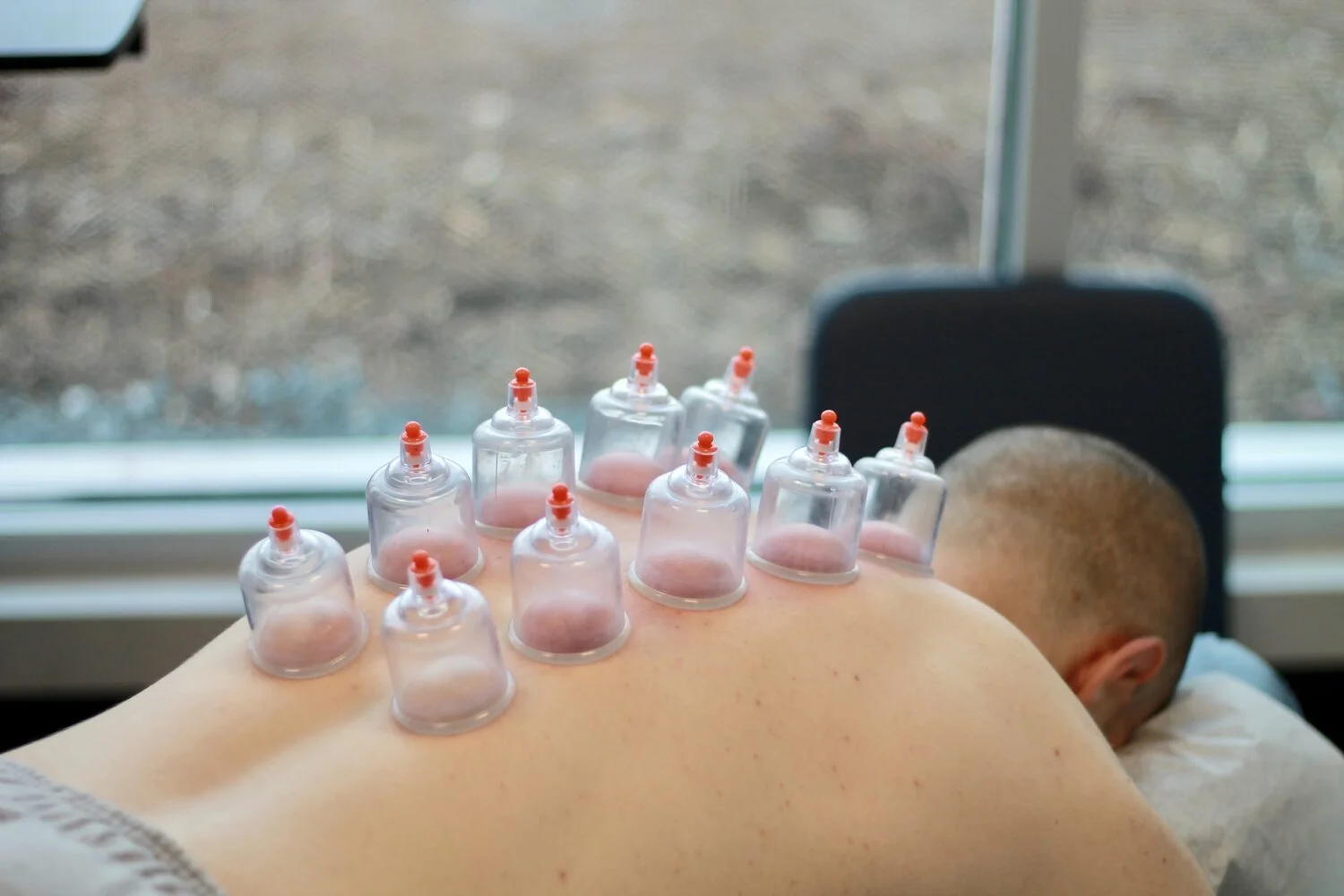
The Science of Suction: An Introduction to Cupping Therapy
While it may look like a modern fitness trend seen on the backs of Olympic athletes, Cupping Therapy is an ancient form of alternative medicine that has been used for thousands of years. Today, it is integrated into advanced physiotherapy to treat pain, inflammation, and blood flow issues.
Unlike most manual therapies that apply pressure (compression) to the muscles, cupping uses suction (decompression) to pull the tissues upward.
How Does Cupping Therapy Work?
The process involves placing specialized cups on the skin to create a vacuum. This vacuum effect works on three primary levels:
1. Myofascial Decompression
In traditional massage, we push down on the muscles. In cupping, we pull the skin and fascia (connective tissue) away from the muscle. This creates space for fluids to move and releases deep-seated tension that manual pressure sometimes can't reach.
2. Increased Blood Circulation
The suction draws fresh, oxygenated blood to the area being treated. This "micro-trauma" alerts the body’s immune system to begin a rapid healing response, flushing out toxins and metabolic waste (like lactic acid) that cause soreness.
3. Nervous System Sedation
By stimulating the sensory nerves on the skin's surface, cupping can have a soothing effect on the central nervous system. Many patients find the sensation deeply relaxing, similar to a deep-tissue massage.
[Image showing the physiological effect of cupping suction on skin, fascia, and muscle layers]
The Two Main Types of Cupping
Depending on your clinical needs, a therapist may use one of these two methods:
Static Cupping: The cups are placed on specific "trigger points" or areas of pain and left in place for 5 to 15 minutes. This is best for deep, localized muscle knots.
Dynamic (Sliding) Cupping: A lubricant (oil or cream) is applied, and the therapist slides the cups across the muscle fibers. This acts like a deep-tissue massage and is excellent for improving overall flexibility.
Why the Circular Marks?
One of the most common questions is about the circular bruises left behind. These are not typical bruises caused by blunt trauma. They are technically "discolorations" caused by the suction drawing old, stagnant blood to the surface.
Light Pink/Red: Indicates healthy circulation.
Dark Purple/Black: Indicates high levels of stagnation or chronic tension.
Duration: These marks usually fade within 3 to 7 days and are a sign that the therapy is working.
Key Benefits of Cupping
We recommend cupping therapy for:
Chronic Back and Neck Pain: Immediate relief for stiff muscles.
Sports Recovery: Speeding up the removal of lactic acid after intense training.
Respiratory Issues: Helping to loosen phlegm or congestion in the lungs.
Migraines and Headaches: Reducing tension in the upper traps and neck.
Stress and Anxiety: Promoting full-body relaxation.
Safety and Precautions
Cupping is safe when performed by a trained professional, but it should be avoided in the following cases:
Directly over broken skin, rashes, or active infections.
Patients with bleeding disorders or those on heavy blood-thinning medication.
Directly over major arteries or varicose veins.
High fever or general systemic illness.
Conclusion: A Timeless Tool for Modern Health
Cupping therapy is a bridge between ancient wisdom and modern physical science. By "lifting" the tissues, we provide a unique form of relief that complements exercise and manual therapy perfectly.
What We Treat / Offer
Ready to Start Your Recovery?
Book a consultation with our expert physiotherapists today.