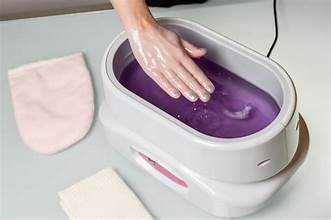
Paraffin Wax Therapy: A Deep Dive into Thermal Rehabilitation
In the field of clinical physiotherapy, Wax Therapy (technically known as a Paraffin Wax Bath) is an advanced form of superficial thermotherapy. While many heat treatments only warm the surface of the skin, the unique properties of paraffin wax allow for a sustained, deep-penetrating heat that is specifically designed for the complex structures of the hands and feet.
By combining thermal science with skin-conditioning properties, wax therapy serves as both a treatment for pain and a preparatory tool for further physical mobilization.
How Wax Therapy Works: The Science of Heat Transfer
Wax therapy is effective because of the low specific heat and low thermal conductivity of paraffin. This means the wax can be applied at higher temperatures than water without burning the skin, providing a more intense but safe therapeutic effect.
Deep Vasodilation: The heat penetrates the skin and underlying tissues, causing blood vessels to expand. This significantly increases blood flow, which brings essential oxygen and nutrients to damaged ligaments and muscles.
The "Glove" Effect: As the wax solidifies, it forms a sealed, insulating layer around the limb. This prevents heat from escaping, forcing it into the deep tissues, joint capsules, and tendons.
Emollient Action: The wax acts as a sealant, trapping moisture from the lower layers of the skin. This leaves the skin extremely pliable, which is vital for patients with scarring or stiffness.
The Step-by-Step Procedure
For a website, explaining the process helps demystify the treatment for new patients:
Cleansing: The target area (usually the hand or foot) is thoroughly cleaned and dried.
Dipping: The limb is submerged into the molten wax bath (kept between 48°C and 54°C) for a few seconds and then withdrawn.
Layering: This process is repeated 6 to 10 times until a thick, uniform "wax glove" is formed.
Insulation: The area is wrapped in a plastic liner and then covered with a heavy towel or a specialized thermal mitt to retain the heat.
Relaxation: The patient rests for 15 to 20 minutes while the heat does its work.
Removal: The wax is gently peeled away, leaving the skin soft and the joints ready for movement.
Clinical Indications: What Conditions Are Treated?
Wax therapy is highly recommended for musculoskeletal and dermatological conditions, including:
Arthritic Relief: Managing chronic pain and morning stiffness associated with Rheumatoid Arthritis and Osteoarthritis.
Post-Fracture Rehabilitation: Loosening stiff joints and softening skin that has been immobilized in a cast for weeks.
Soft Tissue Injuries: Treating ligament sprains, muscle strains, and chronic tendonitis (like De Quervain’s Tenosynovitis).
Fibromyalgia: Providing systemic relaxation for localized muscle pain points.
Scar Tissue Management: Softening tough adhesions and surgical scars to allow for better stretching and mobility.
Dermatological Care: Treating extremely dry, cracked, or thickened skin (Scleroderma or Eczema).
Who Will Benefit the Most?
Post-Surgical Patients: Those needing to regain fine motor control after hand or foot surgeries.
Elderly Individuals: Patients looking for a drug-free way to manage age-related joint stiffness.
Manual Workers & Athletes: Those who put high repetitive stress on their small joints and need deep tissue recovery.
Neurological Patients: Helping relax muscle spasms or "tone" in patients with stroke or nerve damage.
Important Safety Precautions
To maintain a professional standard, patients should be aware of when wax therapy is not suitable:
Open Skin: Never used on cuts, rashes, or active skin infections.
Sensory Loss: Patients with advanced Diabetes or Peripheral Neuropathy must be carefully monitored as they may not feel if the heat is too intense.
Active Inflammation: Not recommended during the "acute" phase of an injury where the joint is already hot and swollen.
Circulatory Disorders: Patients with severe vascular issues or DVT should consult a doctor first.
Conclusion: Preparing for Better Movement
Wax therapy is often the first step in a larger rehabilitation plan. By reducing pain and increasing the elasticity of the tissues, it makes subsequent Manual Therapy and Exercise Therapy much more effective.
What We Treat / Offer
Ready to Start Your Recovery?
Book a consultation with our expert physiotherapists today.