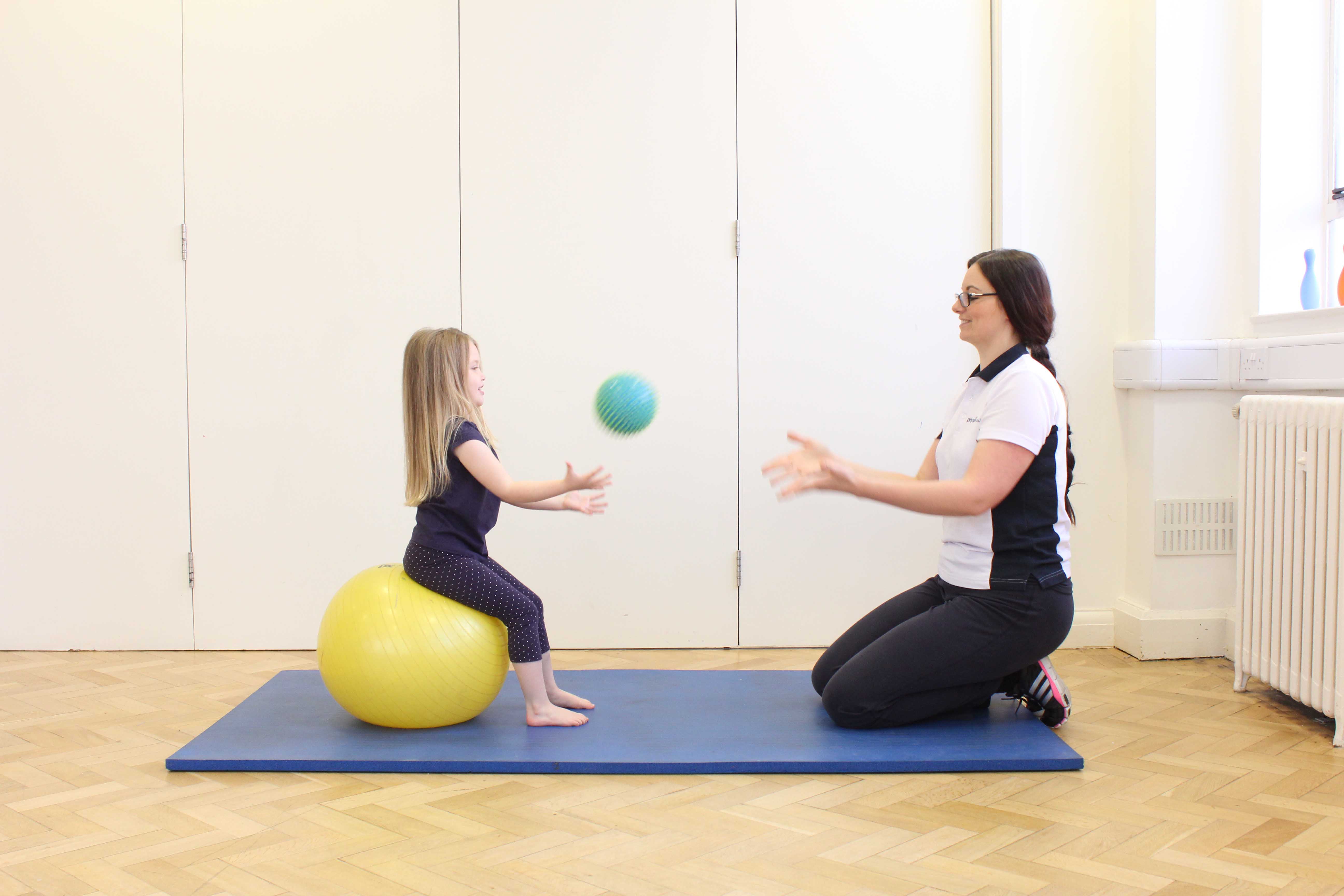
Pediatric Physiotherapy: Supporting Healthy Growth & Development
Understanding Pediatric Physiotherapy
Pediatric physiotherapy focuses on improving movement, strength, and overall physical development in infants, children, and adolescents. It plays an important role in managing conditions present from birth, those diagnosed during early childhood, as well as injuries that occur as children grow.
This specialized therapy helps enhance a child’s physical abilities, independence, and quality of life. In many cases, early intervention can reduce long-term disability and even minimize the need for surgical or invasive treatments later in life.
Pediatric physiotherapy services are provided across various settings such as hospitals, clinics, schools, and even at home. Therapists work with children up to 18 years of age to assess and treat neurological, developmental, respiratory, and musculoskeletal conditions.
How Pediatric Physiotherapy Helps Children
Pediatric physiotherapists are trained to understand how children grow, move, and develop at different stages. Their goal is to support each child in reaching their full physical potential.
Treatment approaches may include:
Gentle manual therapy and soft tissue techniques
Stretching and flexibility exercises
Strength-building activities
Movement training and posture correction
Unlike adult therapy, pediatric physiotherapy is often play-based. Therapists use fun, engaging activities to encourage children to move naturally and comfortably. This makes therapy enjoyable while still being effective.
Physiotherapists also work closely with parents, caregivers, teachers, and other healthcare professionals to ensure the child receives complete support in all environments—home, school, and daily life.
Conditions Treated in Pediatric Physiotherapy
Pediatric physiotherapy is helpful for children who face challenges in movement, coordination, or physical development. These issues may arise due to neurological, genetic, or developmental conditions.
Some common conditions include:
Developmental delays (slow achievement of milestones)
Autism spectrum disorder
Cerebral palsy
Developmental coordination disorder
Down syndrome
Spina bifida
Brain injuries
Low muscle tone (hypotonia)
Muscular dystrophy and other neuromuscular disorders
Torticollis and plagiocephaly
Genetic or congenital conditions
Balance or weight-related challenges
Sports-related injuries in children
Each child is unique, so treatment plans are carefully designed based on individual needs and abilities.
What Does a Pediatric Physiotherapy Program Include?
A child’s physiotherapy journey usually begins with a detailed assessment of their movement, strength, posture, and overall development. Based on this, a structured treatment plan is created.
Therapy programs may include:
Stretching and flexibility exercises
Strengthening activities
Training for proper movement patterns
Balance and coordination exercises
Walking and posture improvement
Development of fine and gross motor skills
Guidance for parents, caregivers, and teachers
The focus is always on helping the child perform daily activities more easily and confidently.
Who Can Benefit from Pediatric Physiotherapy?
Pediatric physiotherapy is beneficial for children who have difficulty with movement, coordination, or developmental milestones. It helps them build the skills needed for everyday activities such as playing, learning, and social interaction.
Children who may benefit include:
Babies who are late to sit, crawl, or walk
Children using unusual movement patterns (like toe walking or W-sitting)
Kids struggling with balance, coordination, or motor skills
Toddlers who appear clumsy or unsteady
Children recovering from injury or trauma
Children needing support to improve physical independence
Therapy not only improves physical abilities but also boosts confidence and encourages active participation in daily life.
The Importance of Early Intervention
Early physiotherapy can make a significant difference in a child’s development. When movement difficulties are addressed at an early stage, children have a better chance of reaching their milestones on time and avoiding long-term complications.
Physiotherapy helps children:
Improve strength and coordination
Develop proper movement patterns
Gain independence in daily activities
Build confidence in their abilities
Final Thoughts
Pediatric physiotherapy is a vital part of supporting a child’s growth and development. By combining expert care with a fun and engaging approach, it helps children overcome physical challenges and reach their full potential.
With early guidance, personalized treatment, and consistent support, children can develop the skills they need to move, play, and thrive in their everyday lives.
What We Treat / Offer
Ready to Start Your Recovery?
Book a consultation with our expert physiotherapists today.