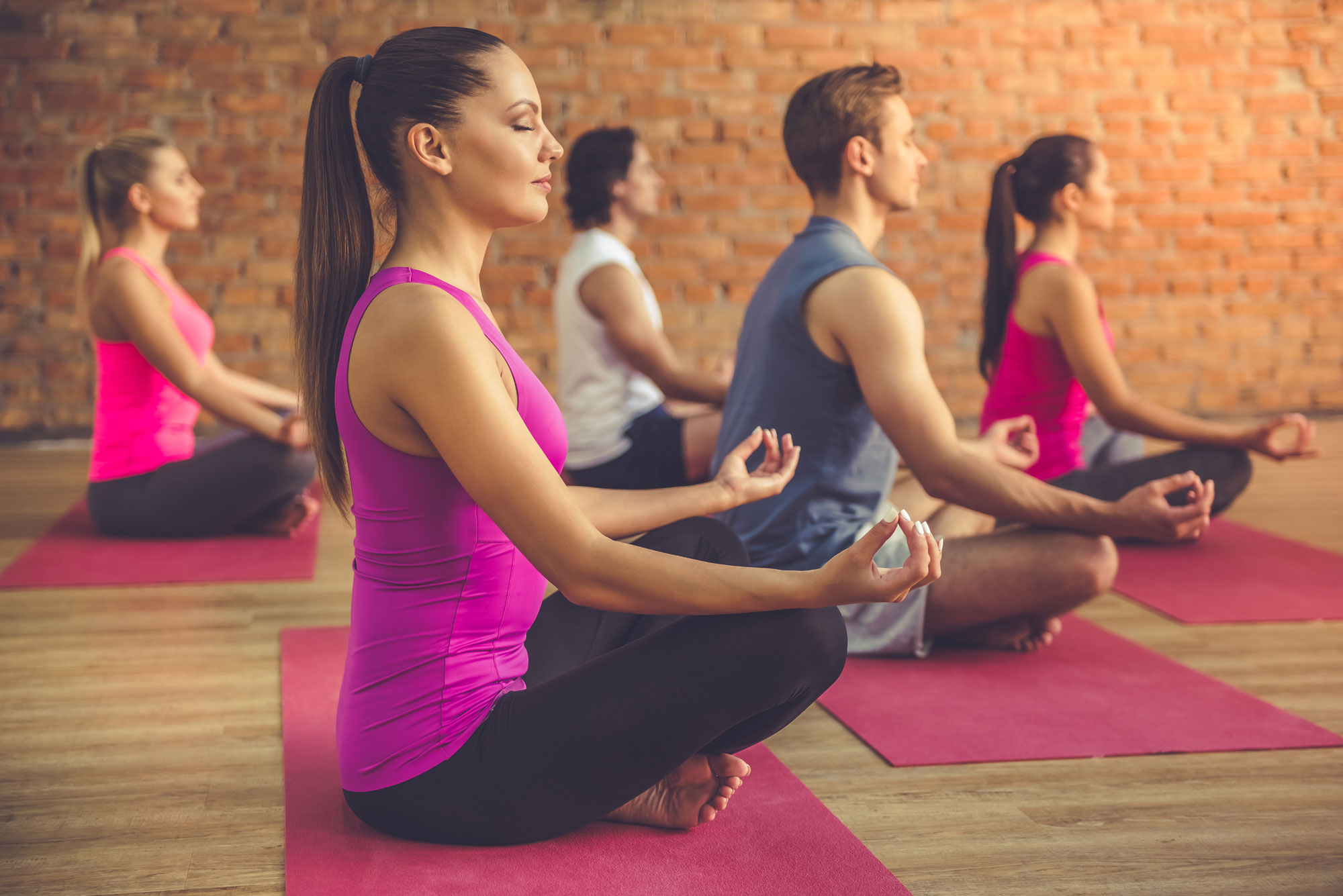
Yoga Therapy: A Holistic Approach to Physical & Mental Rehabilitation
In the field of modern physiotherapy and wellness science, Yoga Therapy has emerged as a powerful, evidence-based complementary practice. Rooted in ancient Indian traditions and refined through contemporary clinical research, yoga is not just exercise—it is a structured system that integrates movement, breath control, and mental focus to restore balance in the body.
Unlike conventional workouts, yoga works simultaneously on the musculoskeletal system, nervous system, and mind, making it highly effective for both rehabilitation and long-term health maintenance.
How Yoga Works: The Science Behind the Practice
Yoga therapy is effective because it combines controlled physical movements with mindful breathing and relaxation techniques. This creates a multi-system therapeutic effect:
Neuromuscular Re-education
Slow, controlled movements help retrain the brain and muscles to work in coordination. This is especially beneficial after injury or prolonged inactivity.
Improved Circulation & Oxygenation
Breathing techniques (Pranayama) enhance oxygen supply and improve blood circulation, accelerating tissue healing and reducing fatigue.
Flexibility & Joint Mobility
Sustained stretches gently lengthen muscles, ligaments, and fascia, improving range of motion without causing strain.
Stress & Hormonal Balance
Yoga activates the parasympathetic nervous system (the “rest and digest” system), reducing stress hormones like cortisol and promoting relaxation.
Mind-Body Awareness
By focusing on posture and breath, patients develop better body awareness, helping prevent further injury and improving posture.
The Step-by-Step Yoga Session
For a website, explaining the flow of a session helps patients feel comfortable and confident:
Centering & Warm-Up
The session begins with gentle breathing and light stretches to prepare the body and calm the mind.
Asana Practice (Postures)
A series of guided poses are performed, focusing on flexibility, strength, and balance. Movements are slow and controlled.
Pranayama (Breathing Techniques)
Specific breathing exercises are introduced to enhance lung capacity and relax the nervous system.
Relaxation Phase
Short rest periods between poses allow the body to absorb the benefits and prevent fatigue.
Meditation / Mindfulness
Simple meditation techniques help improve concentration and reduce mental stress.
Cool Down (Shavasana)
The session ends with deep relaxation, allowing complete physical and mental recovery.
Clinical Indications: What Conditions Are Treated?
Yoga therapy is highly beneficial for a wide range of physical and psychological conditions:
Musculoskeletal Conditions
- Chronic back pain, neck pain, and joint stiffness
- Postural imbalances and spinal issues
- Arthritis and reduced mobility
Neurological Conditions
- Stroke rehabilitation
- Balance and coordination disorders
- Parkinson’s disease and mild neurological deficits
Lifestyle Disorders
- Hypertension and heart health management
- Diabetes management support
- Obesity and metabolic conditions
Mental Health & Stress
- Anxiety and depression
- Insomnia and poor sleep quality
- Chronic stress and burnout
Who Will Benefit the Most?
Office Workers
People with sedentary lifestyles suffering from stiffness, poor posture, and back pain.
Elderly Individuals
A safe, low-impact way to maintain mobility, balance, and independence.
Athletes & Active Individuals
Improves flexibility, prevents injuries, and enhances recovery.
Post-Rehabilitation Patients
Helps maintain gains achieved through physiotherapy and prevents relapse.
Students & Professionals
Supports mental clarity, focus, and stress management.
Important Safety Precautions
To ensure safe and effective practice, certain precautions must be followed:
- Avoid practicing on a full stomach
- Do not force any posture beyond comfort
- Patients with recent surgery or severe pain should consult a therapist
- Pregnant women should follow specialized prenatal yoga programs
- Individuals with severe medical conditions should practice under supervision
Conclusion: Building Strength, Balance & Inner Calm
Yoga therapy is more than just physical exercise—it is a complete rehabilitation and wellness system. By improving flexibility, reducing pain, and calming the mind, it prepares the body for better movement and a healthier lifestyle.
When integrated with physiotherapy treatments like manual therapy or heat therapy, yoga enhances recovery outcomes and supports long-term well-being.
What We Treat / Offer
Ready to Start Your Recovery?
Book a consultation with our expert physiotherapists today.