Orthopaedic Condition
Balance and Coordination Impairment
Difficulty maintaining stability and coordinated movements, affecting walking, posture, and daily activities.
Difficulty maintaining stability and coordinated movements, affecting walking, posture, and daily activities.
What is Balance and Coordination Impairment?
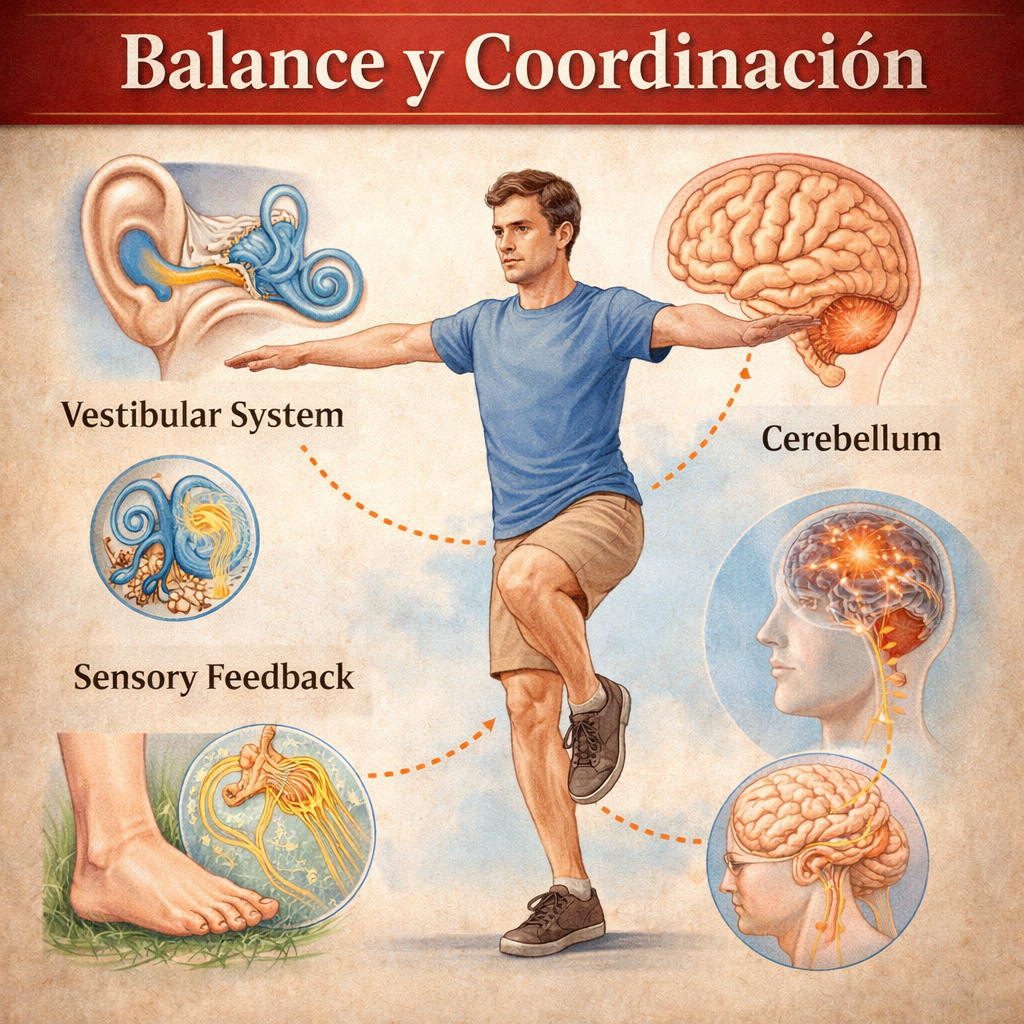
→ Balance and coordination impairment is a condition where a person has difficulty maintaining body stability and controlling movements smoothly. It affects posture, walking, and the ability to perform precise movements. This can result from problems in the brain, inner ear, muscles, or nervous system.
Causes
→ Neurological disorders (e.g., stroke, cerebral palsy, multiple sclerosis)
→ Inner ear problems (vestibular disorders)
→ Head or spinal cord injury
→ Muscle weakness or disorders
→ Cerebellar damage (brain region controlling coordination)
→ Vitamin deficiencies (especially Vitamin B12)
→ Alcohol or drug effects
→ Infections affecting the nervous system
→ Aging-related degeneration
Symptoms
→ Unsteady walking (ataxia)
→ Frequent falls or loss of balance
→ Poor hand-eye coordination
→ Difficulty performing precise tasks (writing, buttoning)
→ Dizziness or vertigo
→ Tremors or involuntary movements
→ Muscle weakness or stiffness
→ Difficulty in standing or changing positions
Diagnosis
→ Clinical neurological examination
→ Balance and coordination tests
→ Gait analysis
→ MRI or CT scan of the brain and spine
→ Blood tests (to check deficiencies or infections)
→ Vestibular function tests (for inner ear problems)
→ Electromyography (EMG), if needed
Treatment Management
→ Treating the underlying cause
→ Physiotherapy (balance training and coordination exercises)
→ Occupational therapy (improving daily functional skills)
→ Medications (for dizziness, neurological conditions, or symptoms)
→ Assistive devices (walking aids, walkers, etc.)
→ Vestibular rehabilitation therapy (for inner ear disorders)
→ Lifestyle modifications (safe environment to prevent falls)
→ Regular follow-up and multidisciplinary care
Book a consultation with our expert orthopaedic physiotherapist today.