Orthopaedic Condition
Bursitis
Inflammation of fluid-filled sacs (bursae) that cushion joints, leading to pain, swelling, and restricted movement.
Inflammation of fluid-filled sacs (bursae) that cushion joints, leading to pain, swelling, and restricted movement.
What is Bursitis?
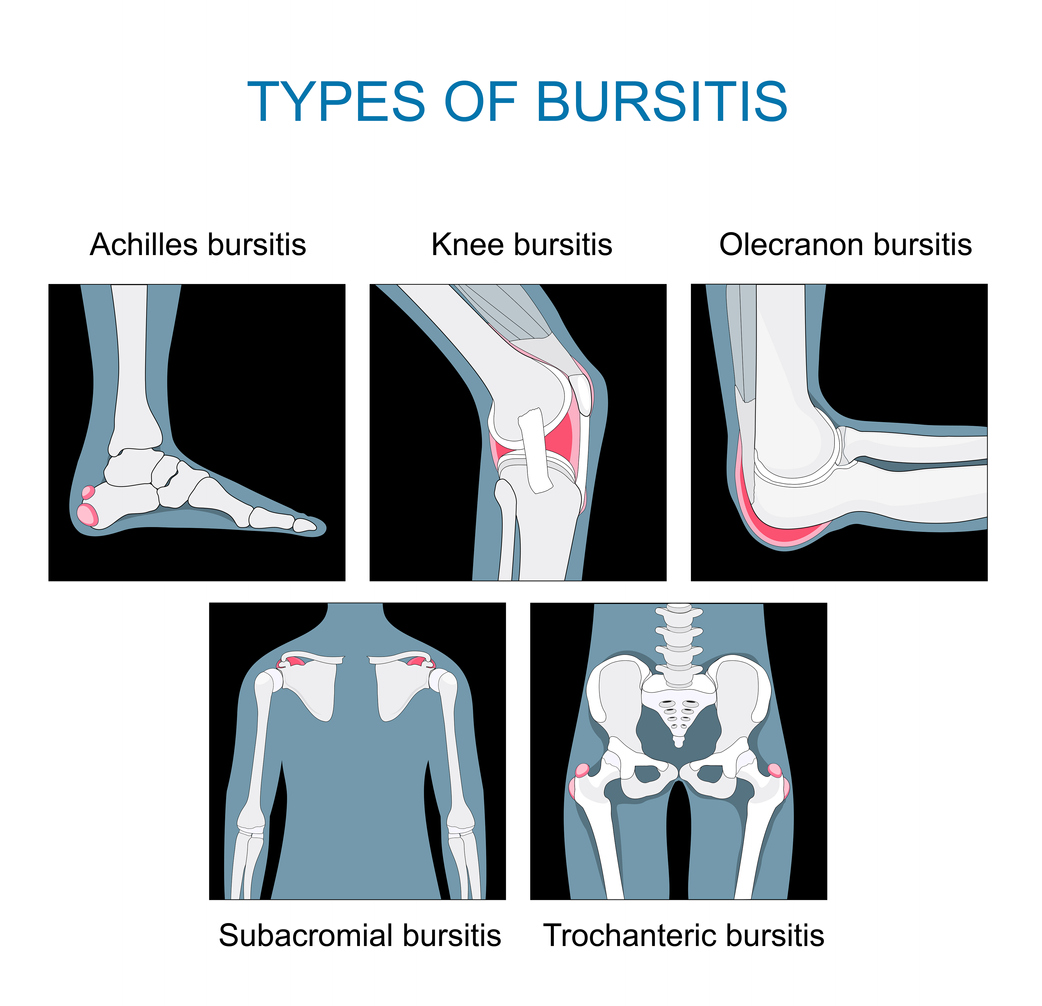
→ Bursitis is the inflammation of a bursa, which is a small fluid-filled sac that cushions bones, tendons, and muscles near joints. It helps reduce friction during movement. When a bursa becomes irritated or inflamed, it leads to pain, swelling, and restricted movement in the affected joint, commonly in the shoulder, elbow, hip, or knee.
Causes
→ Repetitive movements or overuse of a joint
→ Injury or trauma to the joint
→ Prolonged pressure on a joint (e.g., kneeling, leaning on elbows)
→ Infection (septic bursitis)
→ Age-related wear and tear
→ Poor posture or improper body mechanics
→ Certain medical conditions like rheumatoid arthritis, gout, or diabetes
Symptoms
→ Pain in the affected joint (sharp or aching)
→ Swelling and redness around the joint
→ Warmth over the affected area
→ Reduced range of motion
→ Increased pain with movement or pressure
→ Stiffness in the joint
→ Fever (in case of infection)
Diagnosis
→ Clinical examination by a doctor
→ Medical history and symptom review
→ Physical examination of the affected joint
→ Ultrasound or MRI (to detect inflammation)
→ X-ray (to rule out bone problems)
→ Fluid aspiration from the bursa (to check for infection or crystals)
Treatment Management
→ Rest and avoiding activities that worsen symptoms
→ Ice therapy to reduce swelling and pain
→ Anti-inflammatory medications (NSAIDs)
→ Physiotherapy and stretching exercises
→ Use of protective padding or braces
→ Antibiotics (if infection is present)
→ Corticosteroid injections (in severe cases)
→ Drainage of fluid from the bursa if necessary
→ Surgery (rare, in chronic or severe cases)
Book a consultation with our expert orthopaedic physiotherapist today.