Orthopaedic Condition
Plantar Fasciitis
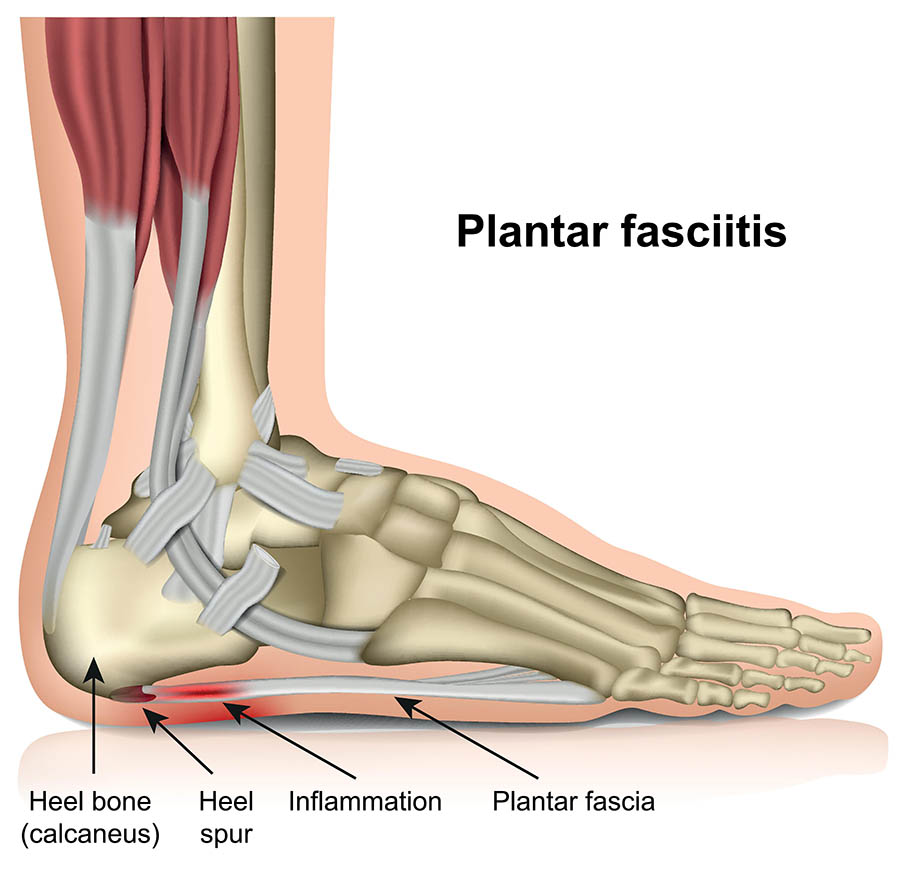
Heel pain caused by inflammation of the plantar fascia — the thick band of tissue connecting the heel to the toes, commonly affecting people who walk or stand for long hours.
Heel pain caused by inflammation of the plantar fascia — the thick band of tissue connecting the heel to the toes, commonly affecting people who walk or stand for long hours.
What is Plantar Fasciitis?
→ Plantar fasciitis is a common condition that causes pain in the heel and bottom of the foot. It occurs due to inflammation or tiny tears in the plantar fascia, a thick band of tissue that connects the heel bone to the toes and supports the arch of the foot. The pain is usually worse in the morning or after long periods of rest and improves with movement.
Causes
→ Overuse from running or prolonged standing
→ Wearing improper or worn-out footwear
→ Flat feet or high arches
→ Obesity or excess body weight
→ Tight calf muscles or Achilles tendon
→ Sudden increase in physical activity
→ Aging (reduced elasticity of tissues)
→ Occupations that require long hours of standing
Symptoms
→ Sharp heel pain (especially with first steps in the morning)
→ Pain after standing or sitting for long periods
→ Stiffness in the foot and heel
→ Swelling or tenderness in the heel area
→ Burning or aching sensation in the bottom of the foot
→ Pain that worsens after exercise, not during it
Diagnosis
→ Clinical examination by a doctor
→ Detailed medical history and symptom review
→ Physical tests (checking pain points and foot movement)
→ X-ray (to rule out heel spurs or other conditions)
→ MRI or ultrasound (in rare or severe cases)
→ Gait and posture assessment
Treatment Management
→ Rest and reducing stress on the foot
→ Ice therapy (to reduce pain and inflammation)
→ Stretching exercises for foot and calf muscles
→ Physiotherapy
→ Pain-relief medications (NSAIDs)
→ Wearing proper footwear or orthotic insoles
→ Night splints (to keep the foot stretched)
→ Steroid injections (in severe cases)
→ Surgery (rare, only if other treatments fail)
Book a consultation with our expert orthopaedic physiotherapist today.