Neurological Condition
Parkinson’s Disease
Specialized movement therapy to improve mobility, balance, coordination, and maintain independence in daily activities.
Specialized movement therapy to improve mobility, balance, coordination, and maintain independence in daily activities.
What is Parkinson’s Disease?
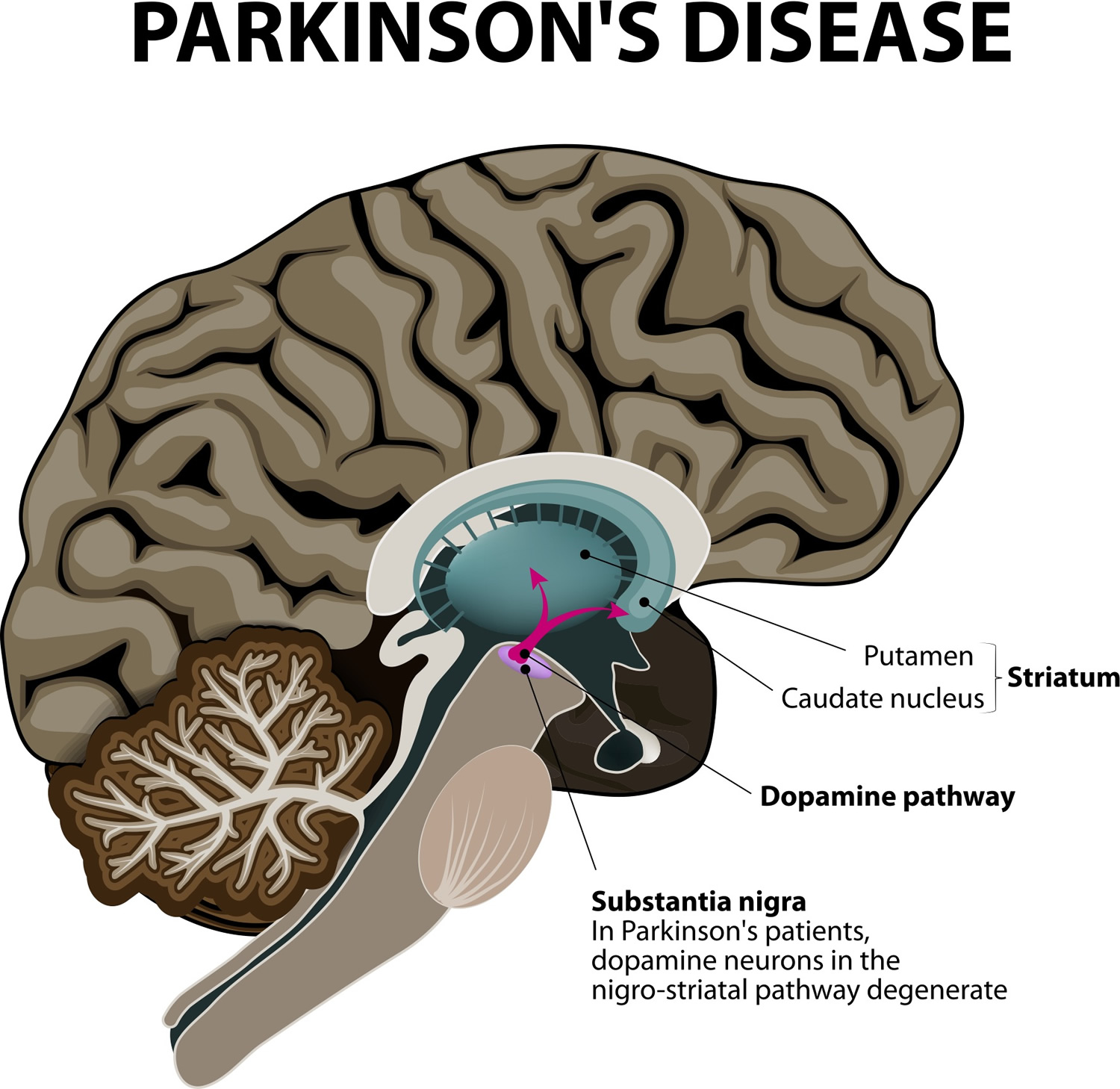
→ Parkinson’s disease is a progressive neurological disorder that affects movement and coordination. It occurs due to the degeneration of nerve cells in the brain that produce dopamine, a chemical responsible for smooth and controlled muscle movements. As dopamine levels decrease, it leads to tremors, stiffness, and difficulty in movement. The condition gradually worsens over time and mainly affects older adults.
Causes
→ Degeneration of dopamine-producing neurons in the brain
→ Genetic factors
→ Environmental factors (toxins, chemicals)
→ Aging (major risk factor)
→ Family history
→ Head injury (in some cases)
Symptoms
→ Tremors (shaking of hands, fingers)
→ Muscle stiffness (rigidity)
→ Slowness of movement (bradykinesia)
→ Impaired balance and coordination
→ Shuffling walk
→ Reduced facial expressions
→ Soft or slurred speech
→ Difficulty in writing (micrographia)
Diagnosis
→ Clinical examination by doctor
→ Neurological assessment
→ Medical history evaluation
→ MRI / CT scan (to rule out other conditions)
→ Response to Parkinson’s medications (diagnostic clue)
Treatment Management
→ No permanent cure, but symptoms can be controlled
→ Medications (like Levodopa)
→ Physiotherapy
→ Occupational therapy
→ Speech therapy
→ Deep brain stimulation (DBS) surgery (in advanced cases)
→ Lifestyle modifications and regular exercise
Book a consultation with our specialist neurological physiotherapist today.