Neurological Condition
Spasticity
Comprehensive management of muscle stiffness to improve flexibility, posture, and functional movement.
Comprehensive management of muscle stiffness to improve flexibility, posture, and functional movement.
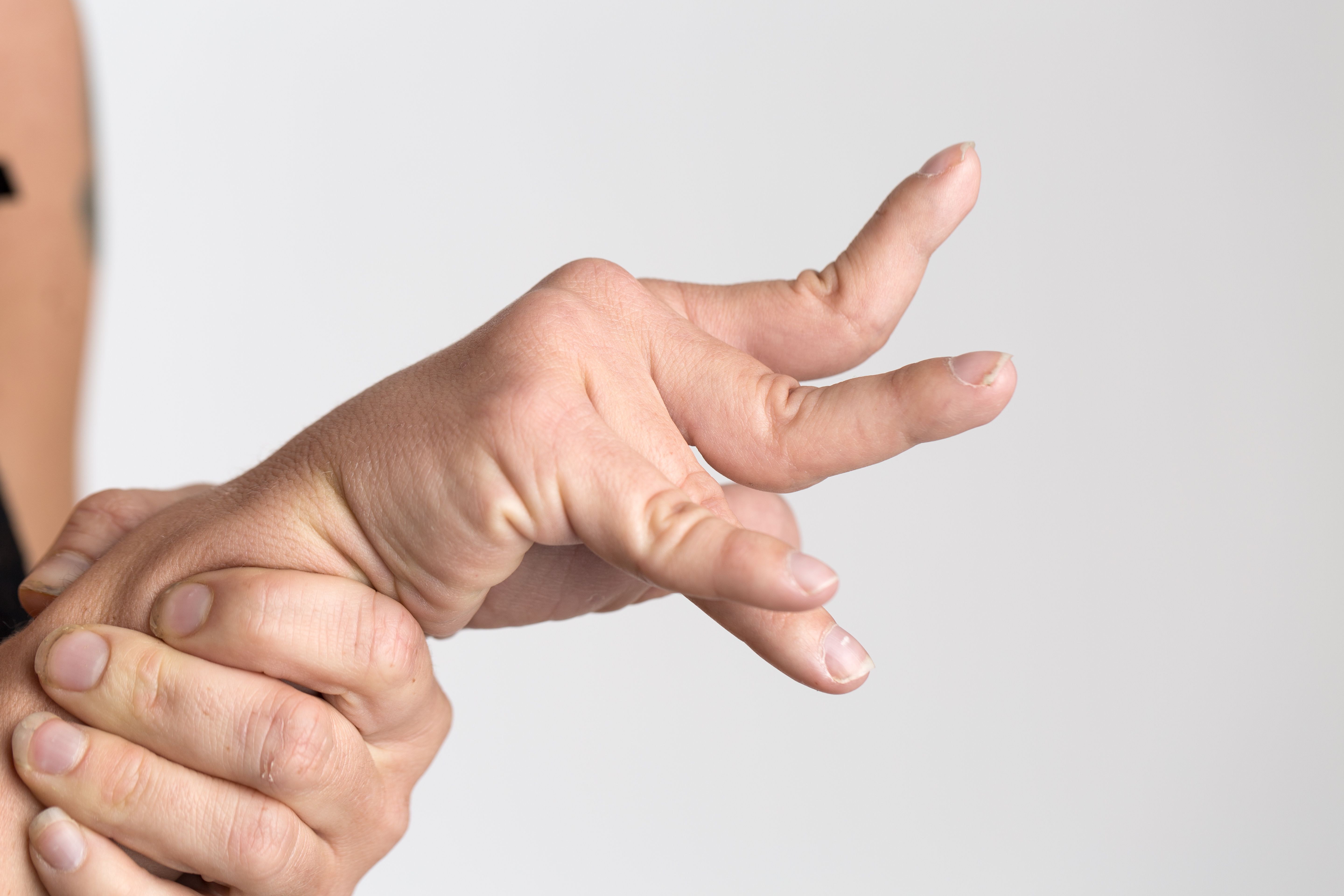
Spasticity is a condition characterized by increased muscle tone or stiffness, which leads to difficulty in movement and control of muscles. It occurs due to damage to the parts of the brain or spinal cord that control voluntary movement. This results in exaggerated reflexes, tight muscles, and involuntary muscle contractions. Spasticity is commonly seen in neurological conditions and can interfere with normal posture, walking, and daily activities.
Causes
→ Damage to brain or spinal cord
→ Stroke (CVA)
→ Cerebral palsy
→ Multiple sclerosis
→ Spinal cord injury
→ Traumatic brain injury
→ Infections affecting nervous system
Symptoms
→ Muscle stiffness and tightness
→ Difficulty in movement
→ Involuntary muscle spasms
→ Exaggerated reflexes
→ Abnormal posture
→ Pain due to muscle tightness
→ Difficulty in walking
Diagnosis
→ Clinical examination by doctor
→ Assessment of muscle tone and reflexes
→ Medical history evaluation
→ MRI / CT scan (to identify underlying cause)
→ Neurological examination
Treatment Management
→ Physiotherapy (stretching and exercises)
→ Medications (muscle relaxants like Baclofen)
→ Occupational therapy
→ Botox injections (in some cases)
→ Surgery (severe cases)
→ Use of splints or braces
→ Regular rehabilitation and supportive care
Book a consultation with our specialist neurological physiotherapist today.