Neurological Condition
TIA (Transient Ischemic Attack)
Early intervention therapy focused on stroke prevention, balance improvement, and functional recovery after transient neurological symptoms.
Early intervention therapy focused on stroke prevention, balance improvement, and functional recovery after transient neurological symptoms.
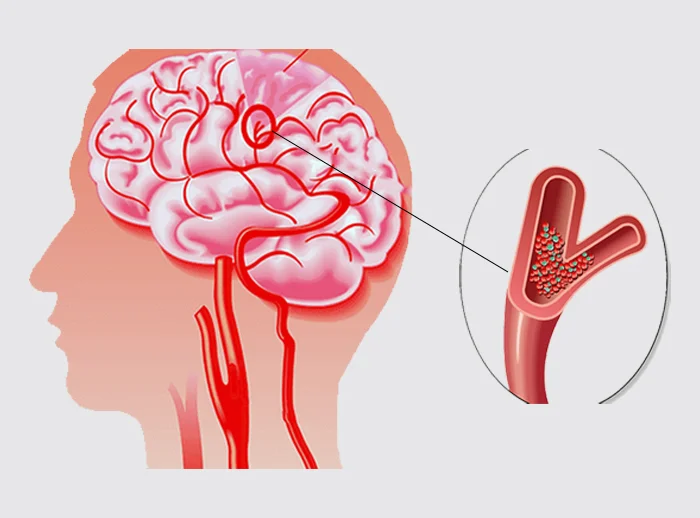
A Transient Ischemic Attack (TIA), often called a “mini stroke,” is a temporary interruption of blood flow to a part of the brain. It causes stroke-like symptoms that usually last for a few minutes to a few hours and then completely resolve without permanent damage. However, TIA is a serious warning sign of a future stroke and requires immediate medical evaluation and preventive care.
Causes
→ Temporary blockage of blood flow to the brain
→ Blood clots (thrombus or embolus)
→ Atherosclerosis (narrowing of arteries)
→ High blood pressure
→ Diabetes
→ Heart diseases (like atrial fibrillation)
→ High cholesterol
→ Smoking
Symptoms
→ Sudden weakness or numbness (usually one side of body)
→ Difficulty in speaking or understanding speech
→ Temporary vision loss or blurred vision
→ Facial drooping
→ Loss of balance and coordination
→ Dizziness
→ Symptoms resolve within 24 hours
Diagnosis
→ Clinical examination by doctor
→ MRI / CT scan
→ Blood tests
→ ECG (to check heart rhythm)
→ Carotid ultrasound (to detect blockage)
→ Neurological assessment
Treatment Management
→ Immediate medical evaluation
→ Antiplatelet drugs (to prevent clot formation)
→ Anticoagulants (in some cases)
→ Control of blood pressure, sugar, and cholesterol
→ Lifestyle modifications (healthy diet, exercise, stop smoking)
→ Surgery (like carotid endarterectomy in severe blockage)
Book a consultation with our specialist neurological physiotherapist today.