Neurological Condition
Polyneuropathies
A condition involving damage to multiple peripheral nerves, causing weakness, numbness, pain, and mobility issues—managed effectively with physiotherapy.
A condition involving damage to multiple peripheral nerves, causing weakness, numbness, pain, and mobility issues—managed effectively with physiotherapy.
What are Polyneuropathies?
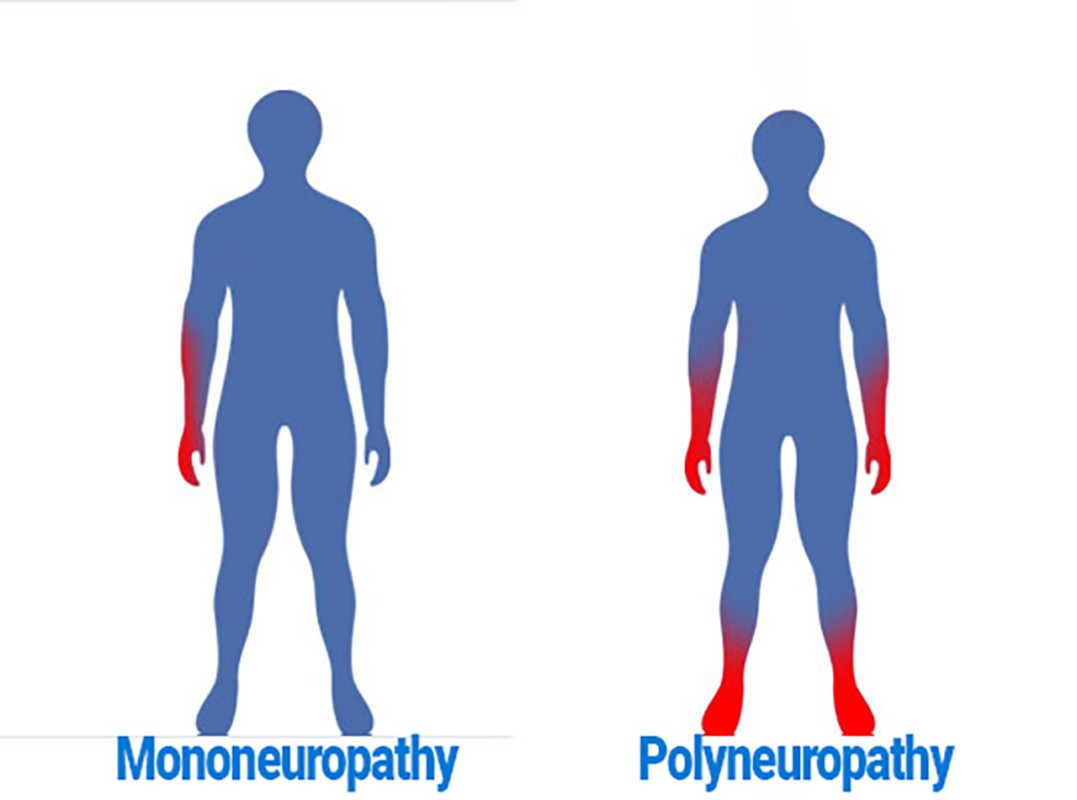
→ Polyneuropathies are a group of disorders in which multiple peripheral nerves are damaged simultaneously. These nerves are responsible for transmitting signals between the brain, spinal cord, and the rest of the body. The condition usually affects both sides of the body symmetrically, especially the hands and feet. It can lead to weakness, numbness, and impaired sensation, and may develop gradually or suddenly depending on the cause.
Causes
→ Diabetes (most common cause)
→ Chronic alcohol consumption
→ Nutritional deficiencies (especially Vitamin B1, B6, B12)
→ Infections (HIV, leprosy)
→ Autoimmune diseases
→ Exposure to toxins (heavy metals, chemicals)
→ Certain medications (chemotherapy drugs)
→ Genetic disorders
Symptoms
→ Numbness and tingling in hands and feet
→ Burning or sharp pain
→ Muscle weakness
→ Loss of coordination and balance
→ Reduced reflexes
→ Sensitivity to touch
→ Difficulty in walking
→ In severe cases, paralysis
Diagnosis
→ Clinical examination by doctor
→ Detailed medical history
→ Nerve conduction studies (NCS)
→ Electromyography (EMG)
→ Blood tests (to identify underlying cause)
→ Nerve biopsy (in rare cases)
Treatment Management
→ Treating the underlying cause (e.g., diabetes control)
→ Pain management (medications)
→ Vitamin supplementation
→ Physiotherapy
→ Occupational therapy
→ Lifestyle modifications (avoid alcohol, healthy diet)
→ Use of assistive devices if needed
Book a consultation with our specialist neurological physiotherapist today.